Sophie explained the basic mechanisms of stroke and how reduced blood supply or bleeding in the brain can damage brain cells.
Types of strokes
- Ischaemic stroke: A blood clot or blockage interrupts blood flow to part of the brain.
- Haemorrhagic stroke: A blood vessel ruptures, causing bleeding in or around the brain.
Brain cells can be damaged rapidly when they do not receive adequate oxygen. The effects depend on the area of the brain affected and may include difficulties with movement, speech, vision, balance, coordination and thinking.
The presentation used a brain model to demonstrate how damage to different brain regions can affect bodily functions. It also explained that the left side of the brain generally controls the right side of the body, and vice versa.
Recognising Stroke Symptoms: Fast
Sophie emphasised the importance of recognising stroke symptoms and acting immediately.
FAST means:
- F — Face: Ask the person to smile. Does one side of their face droop?
- A — Arms: Ask them to raise both arms. Does one arm drift down or feel weak?
- S — Speech: Is their speech slurred, unusual or difficult to understand?
- T — Time: Call emergency services immediately if stroke is suspected.
Additional warning signs include:
- Sudden loss or disturbance of vision.
- Dizziness, loss of balance or difficulty walking.
- Confusion or disorientation.
- Sudden severe headache.
Sophie stressed that symptoms may vary and that a person may not recognise their own symptoms. Someone nearby may be the first to notice the change.
Key message: Do not wait for symptoms to improve. Suspected stroke is a medical emergency.
Emergency Response and First Aid
The presentation discussed what bystanders should do when someone may be having a stroke.
Key points included:
- Call 000 in Australia immediately.
- Keep the person calm and safe while waiting for emergency assistance.
- Observe the symptoms and, if possible, note when they began or when the person was last known to be well.
- Follow the emergency call-taker's instructions.
- Do not give aspirin unless specifically directed by an appropriate medical professional.
Sophie explained that it is not possible to reliably distinguish an ischaemic stroke from a haemorrhagic stroke based on symptoms alone. Medical assessment and brain imaging are needed, and aspirin may be harmful in some circumstances.
The discussion also addressed emergency access when mobile coverage is limited. Sophie mentioned 112 as an alternative emergency number on mobile phones; in Australia, 000 remains the primary emergency number.
Stroke Risk Factors
Sophie outlined several risk factors associated with stroke, including:
- High blood pressure.
- High cholesterol.
- Smoking.
- Physical inactivity.
- Poor diet and excess weight.
- Diabetes that is not adequately controlled.
- Atrial fibrillation and other relevant cardiovascular conditions.
- Previous stroke or transient ischaemic attack (TIA).
- Increasing age.
- Family history of stroke.
- Sex-related differences in stroke risk.
The presentation emphasised the importance of managing underlying health conditions, following medical advice and addressing modifiable risk factors.
Rehabilitation and Ongoing Support
Recovery does not end when a person leaves hospital.
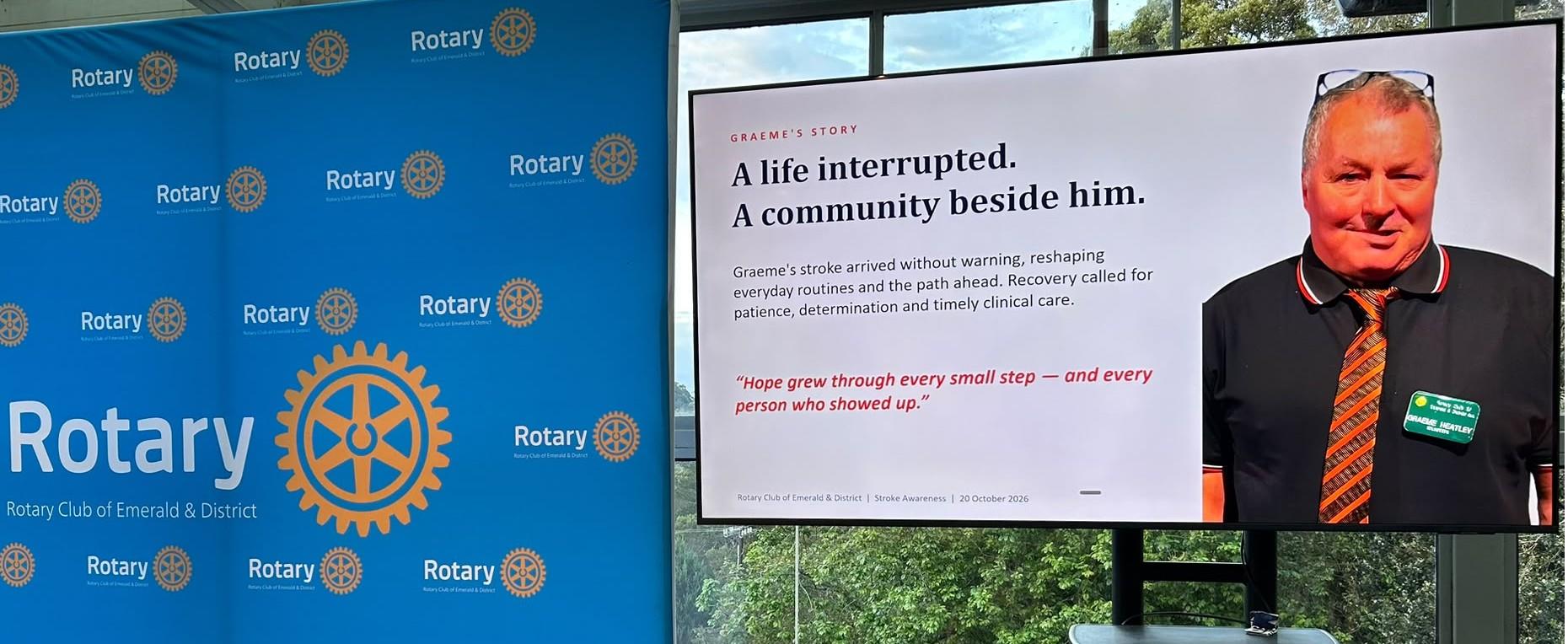
Graeme described ongoing medical follow-up, diabetes education, medication management, lifestyle changes and rehabilitation.
The group acknowledged the importance of:
- Regular follow-up with healthcare professionals.
- Adhering to prescribed medication and treatment plans.
- Maintaining appropriate physical activity and healthy lifestyle habits.
- Recognising emotional challenges during recovery.
- Providing support to family members and carers.
- Encouraging stroke survivors to seek assistance when new or persistent difficulties arise.