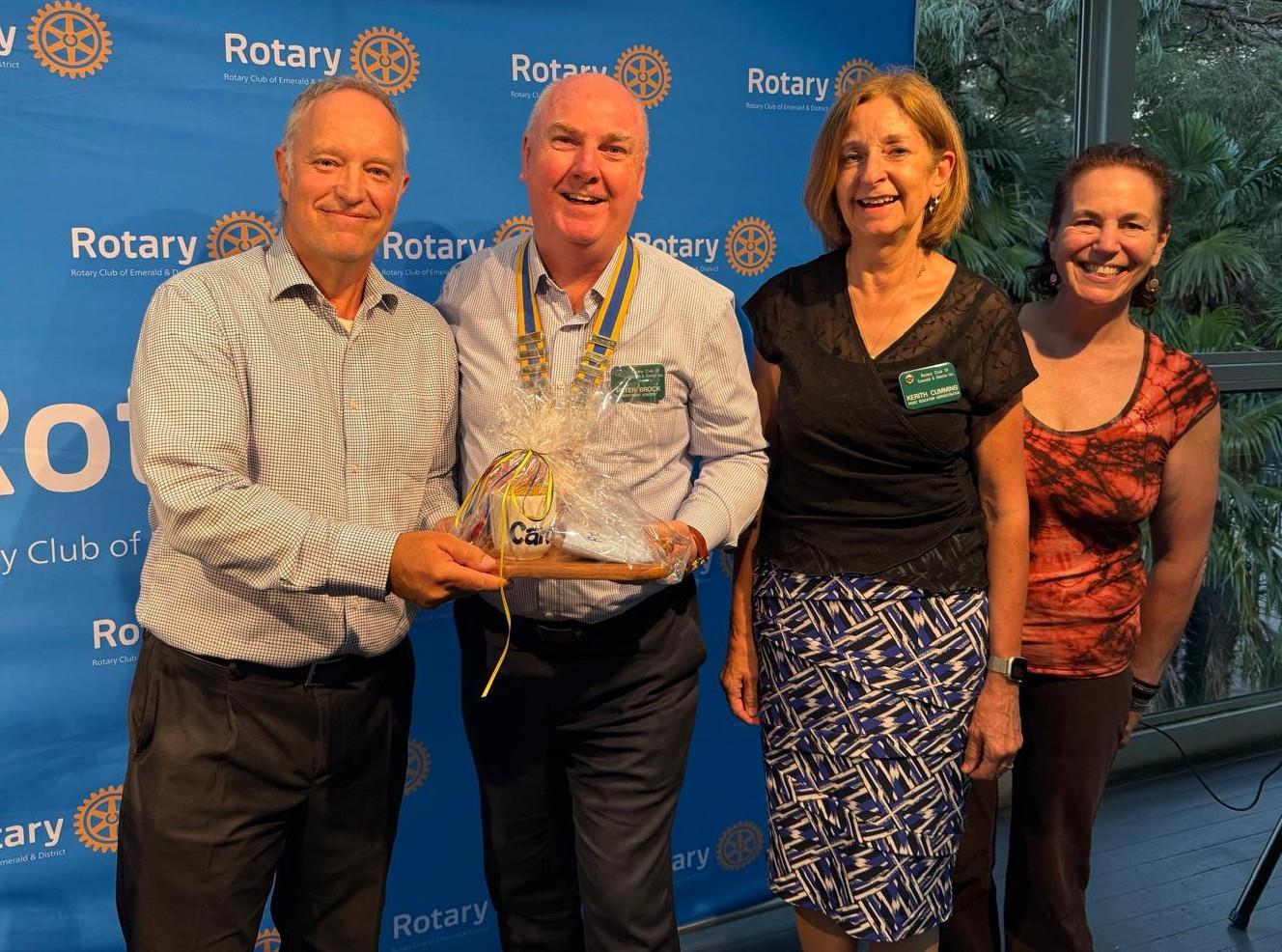
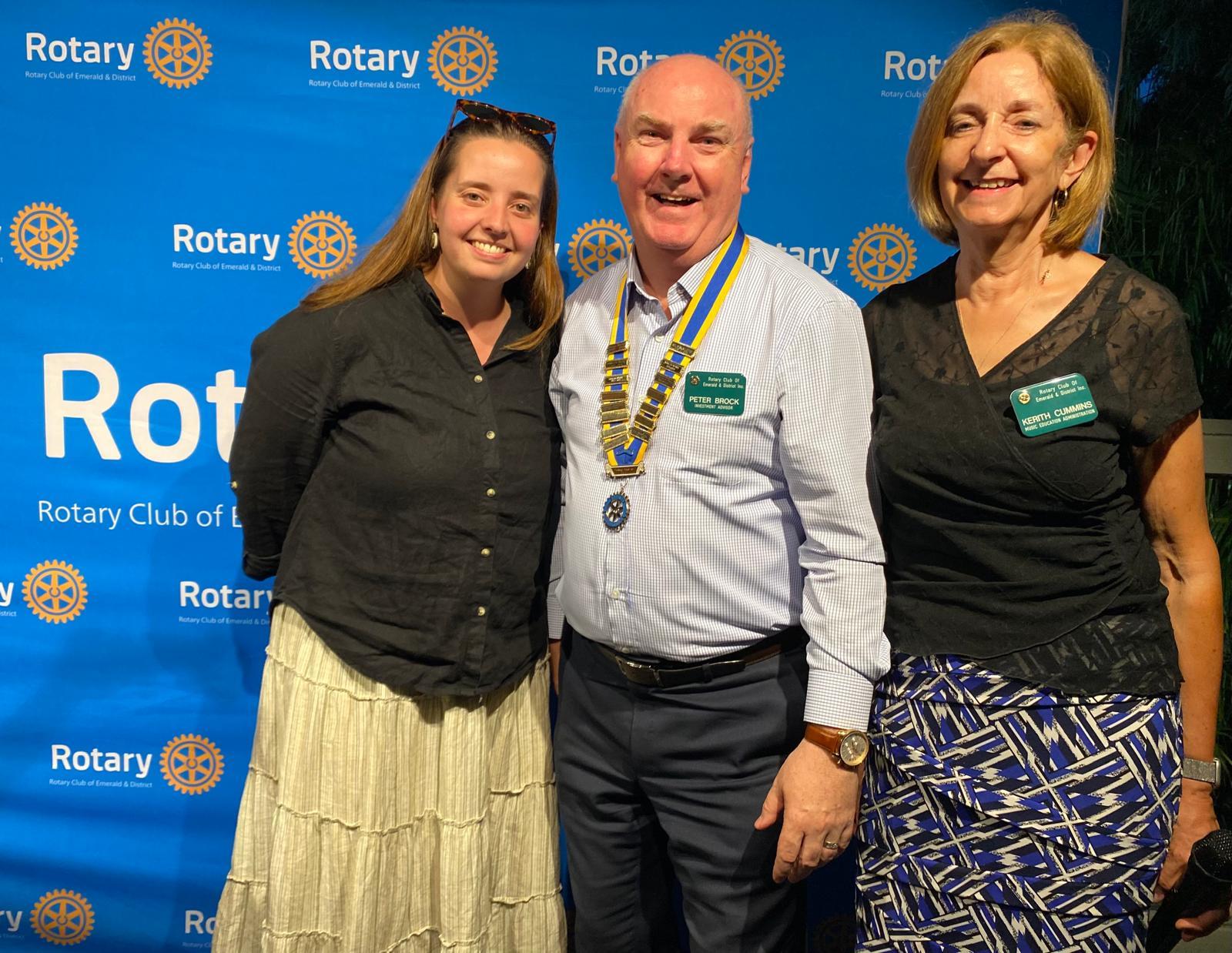
President Peter Brock welcomed Prospective Members, Guests: Kristen Jewson & Cr David Nickell and all Members.
“Decisions made in isolation down in the city are rarely good decisions for communities like ours.”
Residents of the hill's region are being encouraged to play a stronger role in shaping the future of their communities as the area faces significant economic and social change.
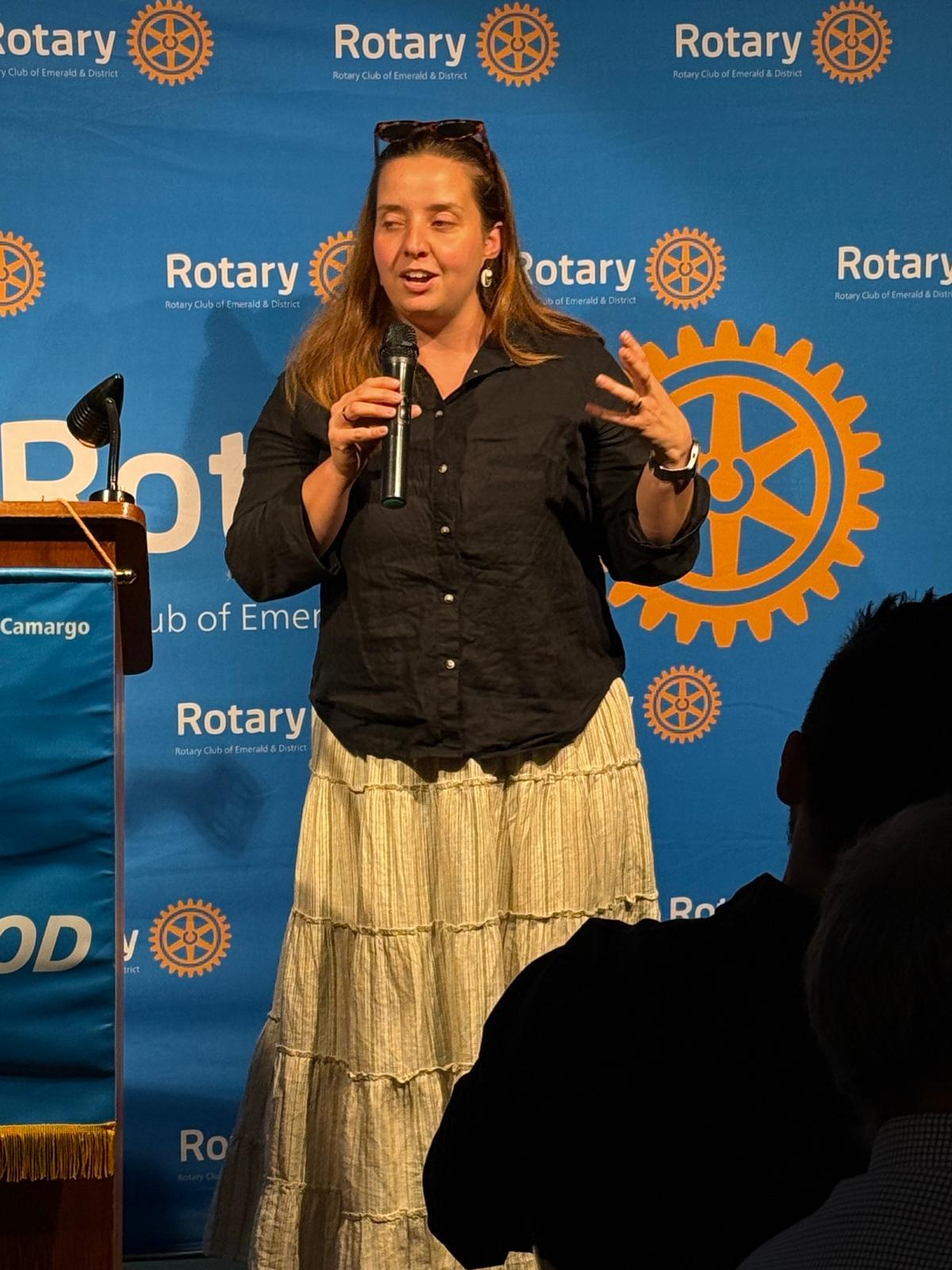
Speaking at a recent community meeting, a local councillor said the hills have experienced major shifts over the past two decades, even though population growth has remained relatively stable compared with the rapidly expanding growth corridor to the south.
Traditional farming industries have declined as small property sizes, rising land prices and the lack of generational succession have made commodity cropping increasingly difficult. The closure of the last sawmill in Gembrook following the end of timber harvesting in the Bunyip forest has also marked the end of a long-standing local industry.
The councillor said these changes highlight the need for long-term strategic planning to guide the future of the region.
A key opportunity for residents to contribute will be the upcoming Green Wedge Management Plan, which will examine issues such as farming, tourism, land use and environmental protection across the hills district.
Community participation will be critical to ensuring the plan reflects local priorities.
While towns such as Emerald, Cockatoo and Gembrook are small individually, the councillor noted that together they represent a district of nearly 18,000 people.
“By thinking and working together at a district level, we can have a much stronger voice,” the councillor said.
With councils facing increasing financial pressure and limited flexible funding, cooperation between communities, local organisations and government will be essential.
“The future of the hills will depend on the ideas and involvement of the people who live here.”